
 April 14, 2026
 No Comments
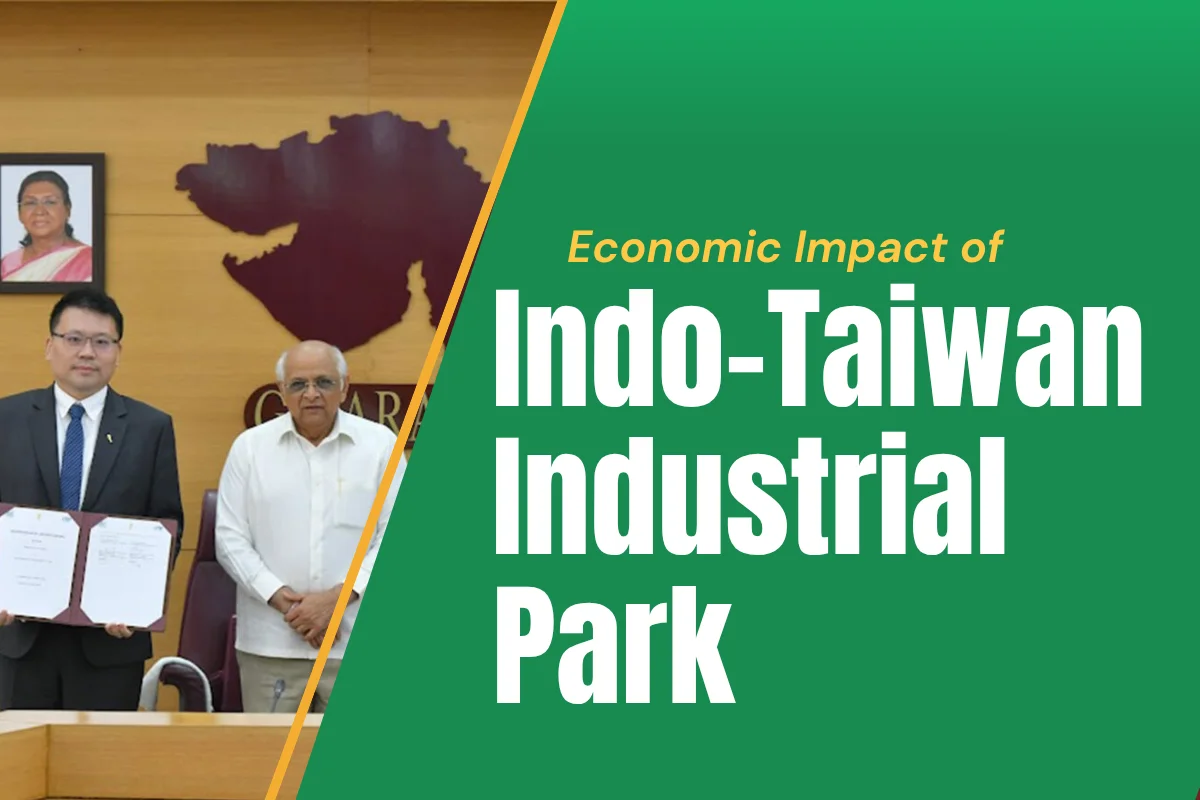
Economic Impact of Indo–Taiwan Industrial Park
India’s push to become a global manufacturing hub has received a major boost with the proposed Indo–Taiwan Industrial Park. This initiative is expected to strengthen India’s position in electronics manufacturing, semiconductors, and high-tech industries, while also reducing dependency on imports.
For aspirants preparing through Civilstap, this topic is extremely important for Economy, International Relations, and Science & Technology in UPSC, HPAS, HCS, and other State PSC exams.
What is the Indo–Taiwan Industrial Park?
The Indo–Taiwan Industrial Park is a collaborative initiative between India and Taiwan aimed at:
- Promoting high-tech manufacturing in India
- Attracting Taiwanese investments
- Strengthening supply chain resilience
- Boosting semiconductor ecosystem development
Understand such strategic economic developments with Civilstap https://civilstap.com/upsc-coaching
Economic Impact of Indo–Taiwan Industrial Park
1. Boost to Employment Generation
- Creation of thousands of direct and indirect jobs
- Demand for skilled workforce in electronics and semiconductor sectors
- Growth in ancillary industries
Learn how such topics are asked in exams with Civilstap https://civilstap.com/test-series
2. Strengthening Manufacturing Sector
India aims to become a global manufacturing hub, and this park will:
- Enhance Make in India initiative
- Promote electronics manufacturing in India
- Reduce reliance on imports from countries like China
Build strong concepts with Civilstap’s structured courses https://civilstap.com
3. Semiconductor Ecosystem Development
Taiwan is a global leader in semiconductor manufacturing.
- Technology transfer from Taiwan to India
- Development of chip fabrication units (fabs)
- Boost to India’s digital economy and innovation sector
Strengthen Science & Tech preparation https://civilstap.com/upsc-coaching
4. Diversification of Supply Chains
Post-pandemic, global supply chains are shifting.
- Reduces dependency on single-country supply chains
- Enhances India’s role in global trade
- Improves economic resilience
5. Increase in Foreign Direct Investment (FDI)
- Attracts Taiwanese and global investors
- Improves ease of doing business
- Strengthens India’s industrial infrastructure
Prepare economy topics with Civilstap https://civilstap.com/hpas-coaching
6. Strengthening India–Taiwan Relations
The industrial park enhances:
- Bilateral trade relations
- Strategic cooperation in technology
- India’s Act East Policy
Challenges and Concerns
- High capital investment required
- Infrastructure readiness in India
- Geopolitical sensitivities involving China and Taiwan
- Skilled workforce gap
Importance for UPSC & State PSC Exams
Prelims
- Semiconductor industry
- Industrial corridors
- FDI trends
Mains (GS Paper II & III)
- India–Taiwan relations
- Industrial policy and manufacturing
- Economic development & job creation
Master such multidimensional topics with Civilstap https://civilstap.com
FAQs
Q1. What is the Indo–Taiwan Industrial Park and its main objective?
The Indo–Taiwan Industrial Park is a collaborative initiative between India and Taiwan aimed at developing a robust high-tech manufacturing ecosystem in India. Its primary objective is to attract Taiwanese investments in sectors like semiconductors, electronics, and advanced manufacturing, while boosting India’s position in global supply chains. It also supports national initiatives like Make in India and Atmanirbhar Bharat by promoting domestic production and reducing import dependency.
Q2. How will the Indo–Taiwan Industrial Park impact India’s economy?
The industrial park is expected to have a multi-dimensional economic impact. It will generate large-scale employment, attract Foreign Direct Investment (FDI), and enhance industrial output. Additionally, it will strengthen India’s manufacturing sector, improve exports, and contribute to GDP growth. By fostering innovation and technology transfer, it will also boost India’s competitiveness in the global market.
Q3. Why is Taiwan a key partner for India in this project?
Taiwan is a global leader in semiconductor manufacturing and electronics production, making it a valuable partner for India. Collaborating with Taiwan allows India to gain access to advanced technologies, skilled expertise, and established industrial practices. This partnership is especially crucial for building India’s domestic semiconductor ecosystem, which is currently in a developing stage.
Q4. How does this industrial park help in reducing India’s dependence on imports?
India currently imports a significant portion of its electronic components and semiconductors. The Indo–Taiwan Industrial Park will promote domestic manufacturing of these critical components, thereby reducing reliance on imports from other countries. Over time, this will improve India’s trade balance, strengthen supply chain resilience, and ensure better control over strategic industries.
Q5. What are the major challenges associated with the Indo–Taiwan Industrial Park?
Despite its potential, the project faces several challenges such as high capital investment requirements, infrastructure readiness, and the need for a highly skilled workforce. Additionally, geopolitical sensitivities involving regional powers may pose strategic challenges. Addressing these issues will require strong policy support, investment in skill development, and efficient implementation strategies.
Tags
CivilsTap coachingCivilstap UPSC coachingEconomic Growth Indiaeconomic impact Indo Taiwan parkelectronics manufacturing IndiaFDI in India manufacturingFDI IndiaIndia Taiwan relations UPSCIndo Taiwan Industrial ParkIndo Taiwan RelationsIndustrial Park IndiaSemiconductor Indiasemiconductor manufacturing India TaiwanState PCS PreparationUPSC EconomyAsk your Query
Recent Posts
- HPAS Mains Answer Writing Strategy: Tips, Format and Examples
- What Should a Good UPSC Foundation Course Include? Complete Checklist for Beginners
- India Energy Week 2027: Key Highlights
- HPAS Coaching in Mandi: Offline vs Online Classes for HAS Aspirants
- How to Use Himachal Pradesh Economic Survey and Budget for HPAS 2027 Preparation
Browse By Category
- Chandigarh Exam (1)
- Daily Current Affairs (4)
- Defence (1)
- EPFO (8)
- HP Allied (19)
- HP Teaching Exams (4)
- HPAS/HAS (77)
- IAS (86)
- Monthly Current Affairs (1)
- NET Exam (3)
- New Notifications (5)
- PCS (71)
- UPSC (85)
- Weekly Current Affairs (2)
- Yearly Current Affairs (5)

Archives
- October 2026 (4)
- September 2026 (10)
- August 2026 (11)
- July 2026 (13)
- June 2026 (10)
- May 2026 (11)
- April 2026 (10)
- March 2026 (10)
- February 2026 (10)
- January 2026 (9)
- December 2025 (8)
- November 2025 (10)
- October 2025 (10)
- September 2025 (10)
- August 2025 (10)
- July 2025 (6)


Leave Comment