
 June 29, 2026
 No Comments
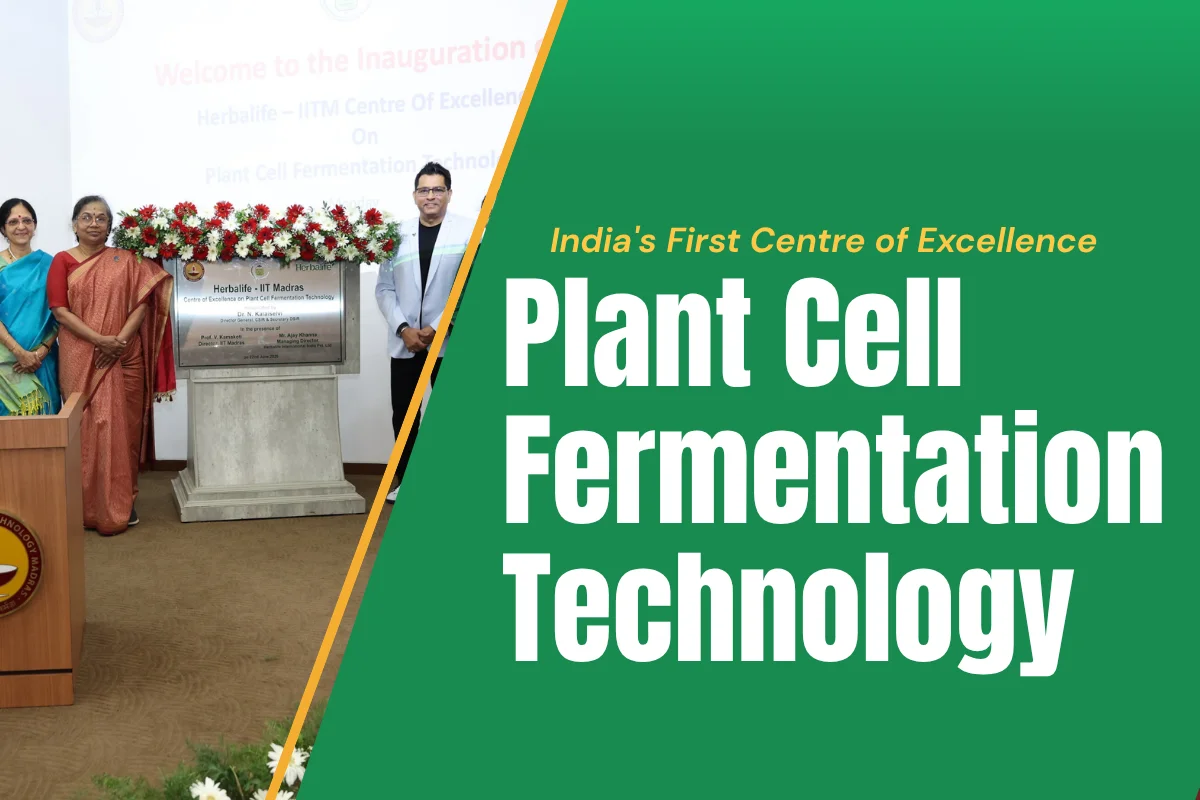
India’s First CoE on Plant Cell Fermentation Technology
Plant Cell Fermentation Technology (PCFT) is one of the fastest-growing innovations in modern biotechnology, enabling the sustainable production of valuable plant-derived compounds without cultivating entire plants. The technology is transforming industries such as pharmaceuticals, cosmetics, nutraceuticals, food processing, and healthcare by producing bioactive molecules under controlled laboratory conditions.
The topic gained significant attention in Current Affairs 2026 following the establishment of India’s first Centre of Excellence (CoE) on Plant Cell Fermentation Technology at IIT Madras Research Park, Chennai. As biotechnology and the bioeconomy continue to shape India’s scientific and economic future, Plant Cell Fermentation Technology has become an important topic for UPSC, HPAS, PCS, State PSC, Agriculture, Biotechnology, and other government examinations.
To stay updated with important Science & Technology developments and government initiatives, aspirants can regularly follow the Current Affairs section on https://civilstap.com/current-affairs/. Students preparing for UPSC and HPAS can also explore comprehensive preparation resources available at https://civilstap.com/exam/upsc/ and https://civilstap.com/exam/hpas/.
What is Plant Cell Fermentation Technology?
Plant Cell Fermentation Technology is an advanced biotechnology process in which plant cells, tissues, or suspension cultures are grown inside sterile bioreactors to produce valuable natural compounds such as phytochemicals, antioxidants, flavonoids, alkaloids, pigments, and medicinal molecules.
Unlike traditional agriculture, this method does not require cultivating large areas of farmland. Instead, scientists isolate specific plant cells and culture them under carefully controlled environmental conditions, allowing continuous production of high-quality plant-derived ingredients throughout the year.
The technology is increasingly viewed as a sustainable alternative to conventional agriculture because it conserves biodiversity, reduces land and water use, and minimizes dependence on seasonal crop cultivation.
Why is Plant Cell Fermentation Technology Important?
The global demand for sustainable production methods has made Plant Cell Fermentation Technology one of the most promising areas of biotechnology.
Its importance lies in its ability to:
- Produce valuable plant compounds sustainably.
- Reduce pressure on endangered medicinal plant species.
- Minimize dependence on conventional farming.
- Ensure consistent quality of plant-derived ingredients.
- Support pharmaceutical and cosmetic industries.
- Strengthen the bioeconomy through innovation.
- Promote environmentally friendly manufacturing.
As climate change and biodiversity loss continue to challenge traditional agriculture, plant cell fermentation offers a scalable and climate-resilient solution.

How Does Plant Cell Fermentation Technology Work?
The production process consists of several scientific stages.
1. Selection of Plant Material
Researchers identify plants containing commercially valuable compounds such as medicinal alkaloids, antioxidants, or nutraceutical ingredients.
2. Cell Isolation
Healthy plant tissues are collected, and selected cells are isolated under sterile laboratory conditions.
3. Cell Culture Development
The isolated cells are cultured in nutrient-rich media containing essential minerals, sugars, vitamins, and plant growth regulators.
4. Bioreactor Cultivation
The cultured cells are transferred to specially designed bioreactors where temperature, oxygen, nutrients, pH, and aeration are precisely controlled for optimum growth.
5. Production of Bioactive Compounds
The cultured cells naturally synthesize valuable secondary metabolites and phytochemicals.
6. Extraction and Purification
The desired compounds are extracted, purified, tested for quality, and supplied to pharmaceutical, cosmetic, food, and nutraceutical industries.
Key Components of Plant Cell Fermentation
Efficient production depends on several essential components:
- Sterile laboratory conditions
- Plant tissue culture
- Cell suspension cultures
- Nutrient media
- Plant growth regulators
- Customized bioreactors
- Downstream processing technologies
- Quality control systems
Applications of Plant Cell Fermentation Technology
Pharmaceutical Industry
Plant Cell Fermentation Technology is widely used for producing plant-based medicinal compounds, including:
- Anti-cancer molecules
- Anti-inflammatory compounds
- Antioxidants
- Antimicrobial agents
- Immunomodulators
These compounds are produced without overexploiting medicinal plant resources.
Cosmetics Industry
Many premium skincare and wellness brands now use plant cell fermentation to develop:
- Anti-ageing ingredients
- Natural collagen-supporting compounds
- Skin repair molecules
- Botanical extracts
- Antioxidants
Food & Nutraceutical Industry
The technology supports the production of:
- Functional foods
- Herbal supplements
- Natural flavours
- Plant pigments
- Nutraceutical ingredients
- Food additives
Agriculture & Biotechnology
Applications also include:
- Disease-resistant planting materials
- High-value medicinal crops
- Sustainable production of herbal biomass
- Advanced biotechnology research
Students can explore similar Science & Technology topics through the learning resources available on https://civilstap.com/blog/.

Advantages of Plant Cell Fermentation Technology
The technology provides several advantages over conventional cultivation.
Sustainable Production
Reduces dependence on large-scale farming and conserves natural ecosystems.
Climate Independence
Production continues throughout the year regardless of weather conditions.
Biodiversity Conservation
Protects rare and endangered medicinal plant species.
Consistent Product Quality
Controlled laboratory conditions ensure uniform quality and purity.
Lower Environmental Impact
Consumes less land, water, and pesticides while reducing carbon emissions.
Commercial Scalability
Allows continuous production of valuable compounds for industrial applications.
Challenges of Plant Cell Fermentation Technology
Despite its enormous potential, several challenges remain.
- High infrastructure costs.
- Requirement of advanced biotechnology expertise.
- Slow growth rates for certain plant species.
- Complex scale-up from laboratory to industrial production.
- Regulatory approvals for pharmaceutical and food products.
- Need for continuous research and innovation.
Recent Development: India’s First Centre of Excellence on Plant Cell Fermentation Technology (June 2026)
In a landmark development for India’s biotechnology sector, Herbalife International India Private Limited, in collaboration with the Indian Institute of Technology Madras (IIT Madras), established India’s first Centre of Excellence (CoE) on Plant Cell Fermentation Technology at the IIT Madras Research Park, Chennai, Tamil Nadu, in June 2026.
The Centre of Excellence was inaugurated in the presence of Dr. N. Kalaisevi, Director General of the Council of Scientific and Industrial Research (CSIR) and Secretary of the Department of Scientific and Industrial Research (DSIR), along with Prof. V. Kamakoti, Director of IIT Madras.
This initiative marks an important step towards strengthening India’s biotechnology ecosystem and promoting sustainable production of plant-based health and wellness products.
Objectives of the Centre of Excellence
The newly established Centre aims to become a national hub for research and development (R&D) in Plant Cell Fermentation Technology.
Its major objectives include:
- Promoting advanced research in plant cell fermentation.
- Developing sustainable and scalable production of herbal biomass.
- Producing enriched herbal extracts.
- Manufacturing high-value phytochemicals.
- Encouraging collaboration between academia, industry, startups, and researchers.
- Accelerating commercialization of biotechnology innovations.
Integration of Advanced Technologies
The Centre integrates advanced upstream cultivation systems with state-of-the-art downstream processing technologies and metabolic engineering platforms. This integrated approach bridges the gap between laboratory research and industrial-scale production, enabling faster commercialization of plant-derived ingredients.
Advanced Research Infrastructure
The Centre is equipped with:
- Customized plant cell bioreactors.
- Advanced analytical laboratories.
- Pilot-scale processing facilities.
- Modern metabolic engineering platforms.
These facilities will support researchers, students, innovators, and entrepreneurs in developing next-generation plant-derived ingredients for pharmaceuticals, cosmetics, nutraceuticals, and health and wellness products.
Significance for India
The establishment of India’s first Centre of Excellence is expected to:
- Strengthen India’s biotechnology ecosystem.
- Promote sustainable industrial manufacturing.
- Support the country’s growing bioeconomy.
- Reduce dependence on conventional cultivation of medicinal plants.
- Foster innovation in herbal and plant-based products.
- Generate skilled employment opportunities.
- Enhance collaboration between industry and academia.
Plant Cell Fermentation Technology and India’s Bioeconomy
India is steadily emerging as a global biotechnology hub through increased investment in research, innovation, and sustainable industrial development.
Plant Cell Fermentation Technology contributes significantly to:
- Bio-based industries
- Pharmaceutical innovation
- Sustainable agriculture
- Green manufacturing
- Export of high-value plant-derived products
- Conservation of biodiversity
- Sustainable Development Goals (SDGs)
This technology aligns with India’s vision of promoting innovation-driven economic growth while ensuring environmental sustainability.
Environmental Significance
Plant Cell Fermentation Technology contributes to sustainable development by:
- Conserving biodiversity.
- Reducing deforestation.
- Lowering greenhouse gas emissions.
- Minimizing water consumption.
- Reducing chemical-intensive farming.
- Supporting circular bioeconomy models.
UPSC, HPAS & Competitive Exam Relevance
Plant Cell Fermentation Technology has become an important topic because it combines Science & Technology, Biotechnology, Agriculture, Environment, Economy, and Current Affairs.
UPSC Prelims
Questions may be asked on:
- Biotechnology
- Sustainable agriculture
- Bioeconomy
- Current scientific developments
UPSC Mains (GS Paper III)
Relevant topics include:
- Biotechnology
- Science & Technology
- Agriculture
- Environment
- Research & Development
- Sustainable Development
HPAS & Other State PSC Examinations
The topic is relevant under:
- Science & Technology
- Current Affairs
- Biotechnology
- Agriculture
- Environmental Conservation
- Government Initiatives
Candidates should regularly revise emerging technologies and current affairs through https://civilstap.com/current-affairs/ and strengthen their conceptual understanding using study resources available on https://civilstap.com.
Frequently Asked Questions (FAQs)
What is Plant Cell Fermentation Technology?
Plant Cell Fermentation Technology is a biotechnology process in which plant cells are cultured in controlled laboratory environments to produce valuable plant-derived compounds without growing the entire plant.
Why is Plant Cell Fermentation Technology important?
It enables sustainable production of medicinal, cosmetic, and food ingredients while conserving biodiversity and reducing dependence on traditional farming.
What is India’s first Centre of Excellence on Plant Cell Fermentation Technology?
In June 2026, Herbalife International India Private Limited, in partnership with IIT Madras, established India’s first Centre of Excellence on Plant Cell Fermentation Technology at IIT Madras Research Park, Chennai, to promote research, innovation, and commercialization in this emerging field.
Which industries use Plant Cell Fermentation Technology?
The pharmaceutical, cosmetic, food, nutraceutical, biotechnology, agriculture, and healthcare industries extensively use this technology.
Why is this topic important for UPSC and HPAS?
Plant Cell Fermentation Technology is relevant because it integrates biotechnology, environmental sustainability, agriculture, research and development, and current affairs, making it important for both Prelims and Mains examinations.
Conclusion
Plant Cell Fermentation Technology represents one of the most significant advancements in sustainable biotechnology, enabling the production of valuable plant-derived compounds through controlled laboratory cultivation rather than traditional farming. With the launch of India’s first Centre of Excellence on Plant Cell Fermentation Technology at IIT Madras in June 2026, the country has taken a major step toward becoming a global leader in biotechnology research, innovation, and sustainable manufacturing.
For aspirants preparing for UPSC, HPAS, PCS, Agriculture, Biotechnology, and other government examinations, this topic is highly relevant as it connects Science & Technology, Current Affairs, Environment, Agriculture, Bioeconomy, and Sustainable Development. Regularly following the latest updates through https://civilstap.com/current-affairs/ and utilizing the comprehensive study resources available at https://civilstap.com will help candidates stay ahead in their preparation and improve their understanding of emerging technologies that are shaping India’s future.
Tags
Agriculture BiotechnologyBioE3 PolicyBioeconomyBioreactor TechnologyBiotechnologyBiotechnology Current AffairsBiotechnology in IndiaBiotechnology UPSCCell Culture TechnologyCentre of Excellence Plant Cell FermentationCivilstapCompetitive Exam PreparationCSIRCurrent Affairs 2026DSIREmerging TechnologiesEnvironment and EcologyGreen BiotechnologyHerbal BiomassHerbalife IndiaHPAS NotesHPAS preparationHPAS Science and TechnologyIIT MadrasIIT Madras Research ParkMedicinal PlantsPCS ExamPhytochemicalsPlant BiotechnologyPlant Cell CulturePlant Cell FermentationPlant Cell Fermentation TechnologyPlant Tissue CultureScience and Technology UPSCScience Current AffairsState PSCSustainable Biotechnologysustainable developmentUPSC Notesupsc preparationUPSC Science and TechnologyAsk your Query
Recent Posts
- HPAS Mains Answer Writing Strategy: Tips, Format and Examples
- What Should a Good UPSC Foundation Course Include? Complete Checklist for Beginners
- India Energy Week 2027: Key Highlights
- HPAS Coaching in Mandi: Offline vs Online Classes for HAS Aspirants
- How to Use Himachal Pradesh Economic Survey and Budget for HPAS 2027 Preparation
Browse By Category
- Chandigarh Exam (1)
- Daily Current Affairs (4)
- Defence (1)
- EPFO (8)
- HP Allied (19)
- HP Teaching Exams (4)
- HPAS/HAS (77)
- IAS (86)
- Monthly Current Affairs (1)
- NET Exam (3)
- New Notifications (5)
- PCS (71)
- UPSC (85)
- Weekly Current Affairs (2)
- Yearly Current Affairs (5)

Archives
- October 2026 (4)
- September 2026 (10)
- August 2026 (11)
- July 2026 (13)
- June 2026 (10)
- May 2026 (11)
- April 2026 (10)
- March 2026 (10)
- February 2026 (10)
- January 2026 (9)
- December 2025 (8)
- November 2025 (10)
- October 2025 (10)
- September 2025 (10)
- August 2025 (10)
- July 2025 (6)


Leave Comment