
 May 28, 2026
 No Comments
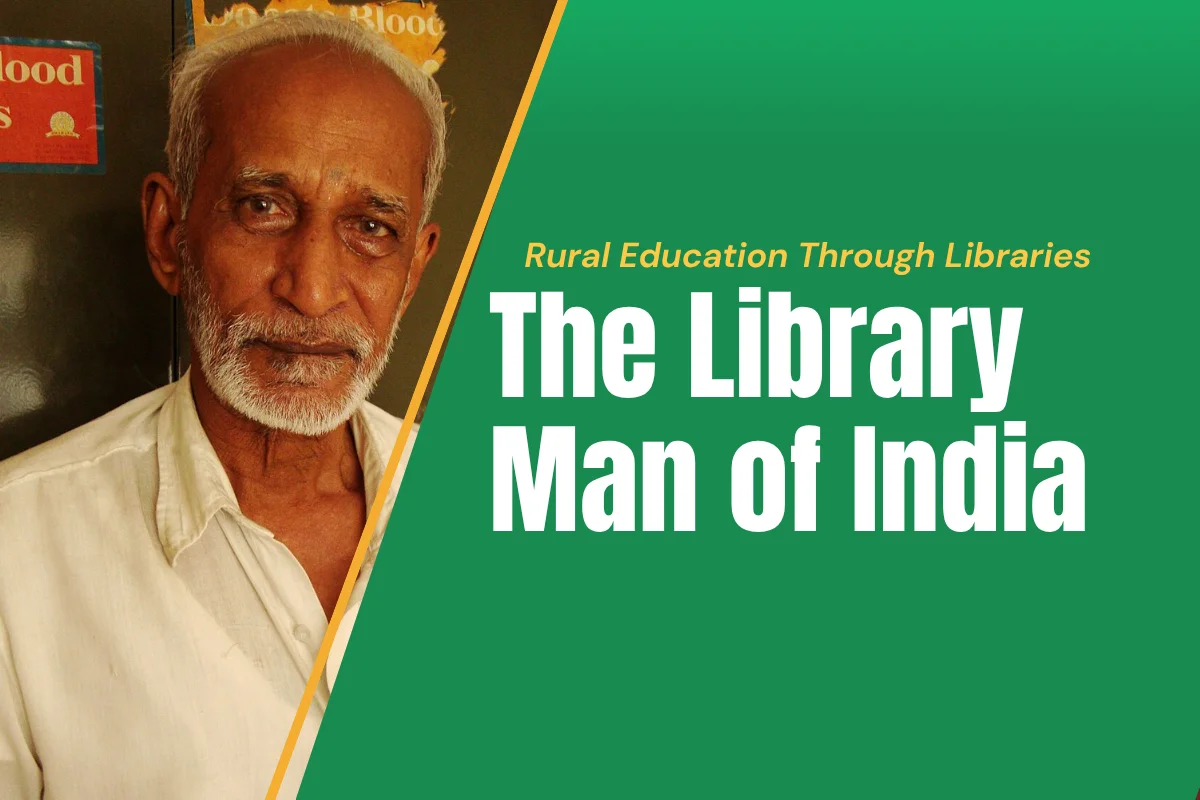
The Library Man of India: P.N. Panicker
India’s journey toward becoming a knowledge-driven society owes much to visionary individuals who dedicated their lives to spreading literacy and education. Among them, one name stands out prominently—P.N. Panicker, popularly known as the “Library Man of India.”
P.N. Panicker played a transformative role in promoting reading habits, establishing libraries, and advancing literacy across Kerala and beyond. His efforts laid the foundation for Kerala’s remarkable literacy achievements and continue to inspire educational movements across the country.
For UPSC aspirants, this topic is important from the perspective of Education, Social Development, Literacy, Community Participation, and Governance.
Who Was P.N. Panicker?
Puthuvayil Narayana Panicker (P.N. Panicker) was a renowned social reformer, librarian, and literacy advocate from Kerala. He is widely recognized as the Father of the Library Movement in Kerala and the Library Man of India.
Born on March 1, 1909, in Kerala, Panicker believed that access to books and knowledge was the key to social transformation. He dedicated his life to making reading and education accessible to ordinary citizens, particularly in rural areas.
His motto was simple yet powerful:
“Read and Grow.”
Why Is P.N. Panicker Called the Library Man of India?
P.N. Panicker earned this title due to his extraordinary contribution to the development of libraries and reading culture.
His major contributions include:
Establishing numerous rural libraries.
Promoting community-based reading initiatives.
Encouraging lifelong learning.
Expanding access to educational resources.
Strengthening literacy movements across Kerala.
His efforts transformed libraries from mere book repositories into centers of community learning and empowerment.
Kerala Library Movement: A Revolutionary Initiative
One of Panicker’s greatest achievements was spearheading the Kerala Library Movement.
In 1945, he founded the Kerala Grandhasala Sangham (Kerala Library Association) to coordinate and strengthen libraries across the state.
The movement aimed to:
Increase access to books.
Improve literacy levels.
Promote social awareness.
Encourage democratic participation.
Foster lifelong education.
Over time, thousands of libraries became part of this network, creating a culture of reading that contributed significantly to Kerala’s high literacy rate.
Related Reading:
National Reading Day: Honouring P.N. Panicker
To commemorate the contributions of P.N. Panicker, June 19 is observed as National Reading Day across India.
The day marks his death anniversary and serves as a reminder of the importance of reading in personal and national development.
Objectives of National Reading Day
Promote reading habits among youth.
Encourage lifelong learning.
Strengthen literacy initiatives.
Develop critical thinking skills.
Foster a knowledge-based society.
Many educational institutions organize:
Book exhibitions
Reading competitions
Literary events
Library awareness campaigns
Student engagement programs
The celebrations often extend into Reading Month, observed from June 19 to July 18.
Impact of P.N. Panicker on Literacy in India
P.N. Panicker’s work played a crucial role in creating an educational environment that supported literacy and social development.
Promoting Adult Literacy
His initiatives encouraged adults who had never attended school to learn reading and writing.
Community Participation
Libraries became community centers where people gathered to learn, discuss issues, and access information.
Educational Inclusion
His vision ensured that educational resources reached marginalized and rural populations.
Empowering Future Generations
By nurturing reading habits among children, he helped create a culture of continuous learning.
Why Libraries Remain Important Today
Even in the digital age, libraries continue to play an essential role in society.
Access to Knowledge
Libraries provide free access to educational resources for students and researchers.
Support for Competitive Examinations
UPSC, PCS, SSC, Banking, and other aspirants often depend on libraries for study materials and a focused learning environment.
Digital Learning Centers
Modern libraries increasingly provide access to computers, digital resources, and online learning platforms.
Promoting Social Equality
Libraries help bridge educational gaps by offering equal learning opportunities to all sections of society.
Related:
Relevance for UPSC and State PCS Examinations
GS Paper I
Social Reformers
Indian Society
Educational Movements
GS Paper II
Education
Social Justice
Government Policies
GS Paper III
Human Resource Development
Inclusive Growth
Essay Topics
Potential UPSC Essay Themes:
Education as a Tool for Social Transformation
Importance of Reading in Nation Building
Libraries and Knowledge Economy
Literacy and Inclusive Development
Key Facts for UPSC Prelims
| Fact | Details |
|---|---|
| Popular Name | Library Man of India |
| Full Name | Puthuvayil Narayana Panicker |
| Born | 1 March 1909 |
| State | Kerala |
| Founded | Kerala Grandhasala Sangham |
| National Reading Day | June 19 |
| Motto | Read and Grow |
| Known For | Library Movement and Literacy Promotion |
Challenges Facing Libraries in India
Despite their importance, libraries face several challenges:
Inadequate funding
Digital divide
Declining reading habits
Infrastructure limitations
Lack of modernization
Addressing these challenges is essential for creating an informed and educated society.
The Way Forward
India can strengthen the library ecosystem by:
Expanding rural library networks.
Promoting digital libraries.
Increasing public investment in libraries.
Encouraging community participation.
Integrating libraries with schools and higher education institutions.
A robust library network can significantly contribute to India’s goal of becoming a knowledge-based economy.
Conclusion
The legacy of P.N. Panicker, the Library Man of India, continues to inspire generations of learners and educators. His efforts transformed libraries into powerful instruments of social change and literacy advancement.
As India strives to improve educational outcomes and promote lifelong learning, the vision of P.N. Panicker remains more relevant than ever. His life demonstrates that a nation that reads is a nation that grows.
For UPSC aspirants, understanding the contributions of P.N. Panicker provides valuable insights into literacy movements, educational reforms, and community-driven development.
Stay updated with the latest UPSC Current Affairs and Exam Preparation Resources at:
https://www.civilstap.com/
FAQs
Who is known as the Library Man of India?
P. K. Muralidharan is popularly known as the Library Man of India for his efforts in promoting libraries and literacy across communities.
Why are libraries important for social development?
Libraries improve literacy, provide educational resources, promote lifelong learning, and support community development.
How do libraries contribute to rural education?
Libraries offer access to books, study materials, digital resources, and learning opportunities for students and adults in rural areas.
Why is the Library Man of India important for UPSC preparation?
The topic is relevant for governance, education, social justice, inclusive growth, and essay writing sections of UPSC and State PCS examinations.
Tags
CivilsTap Current AffairsCommunity LibrariesCurrent Affairs 2026Education in IndiaFather of Library Movement in KeralaImportant Personalities for UPSCInclusive EducationIndian Education SystemIndian Social ReformersKerala Grandhasala SanghamKerala Library MovementKnowledge SocietyLibraries in IndiaLibrary Man of IndiaLibrary Movement UPSCLiteracy and EducationLiteracy Campaigns India.Literacy Movement in IndiaNational Reading DayNational Reading MonthP N Panicker UPSCP.N. PanickerReading Culture in IndiaReading Day IndiaSocial Reformers of IndiaThe Library Man of IndiaUPSC Current AffairsUPSC GS Paper 2UPSC NotesUPSC PrelimsAsk your Query
Browse By Category
- Chandigarh Exam (1)
- Daily Current Affairs (4)
- Defence (1)
- EPFO (8)
- HP Allied (19)
- HP Teaching Exams (4)
- HPAS/HAS (69)
- IAS (83)
- Monthly Current Affairs (1)
- NET Exam (3)
- New Notifications (5)
- PCS (70)
- UPSC (83)
- Weekly Current Affairs (2)
- Yearly Current Affairs (5)

Archives
- September 2026 (5)
- August 2026 (11)
- July 2026 (13)
- June 2026 (10)
- May 2026 (11)
- April 2026 (10)
- March 2026 (10)
- February 2026 (10)
- January 2026 (9)
- December 2025 (8)
- November 2025 (10)
- October 2025 (10)
- September 2025 (10)
- August 2025 (10)
- July 2025 (6)


Leave Comment